Someone likes Millwall. Me!
My friends know I’ve supported Leeds United all my life, though it hasn’t always been a happy experience. For once, the team is playing well. I was delighted last weekend when they went to Stamford Bridge and deservedly beat an expensively assembled but fragile Chelsea side 4–1.
I also enjoy watching other London teams, which makes me something of a footballing oddity: a Leeds supporter who watches his local club, Millwall. It’s an unusual combination, given the hostility between the two sets of supporters. Over the years, I’ve witnessed some fiery encounters between the clubs in London.
Millwall supporters revel in their “no one likes us, we don’t care” image. Events such as this week’s disciplinary action against the club for unpleasant behaviour by a small but significant minority of supporters reinforce that perception. The stadium’s surroundings fit the image. Close to a grimy stretch of the Old Kent Road, where valiant regeneration efforts have yet to make a visible difference, it is hemmed in by busy railway lines serving London Bridge, with a huge industrial incinerator looming over one corner. The walks to the ground are hardly welcoming: some involve intimidating, dank subways and narrow paths beside roads busy with heavy traffic. Away fans are closely shepherded along a dedicated route from Bermondsey South railway station, with little contact with the locals.
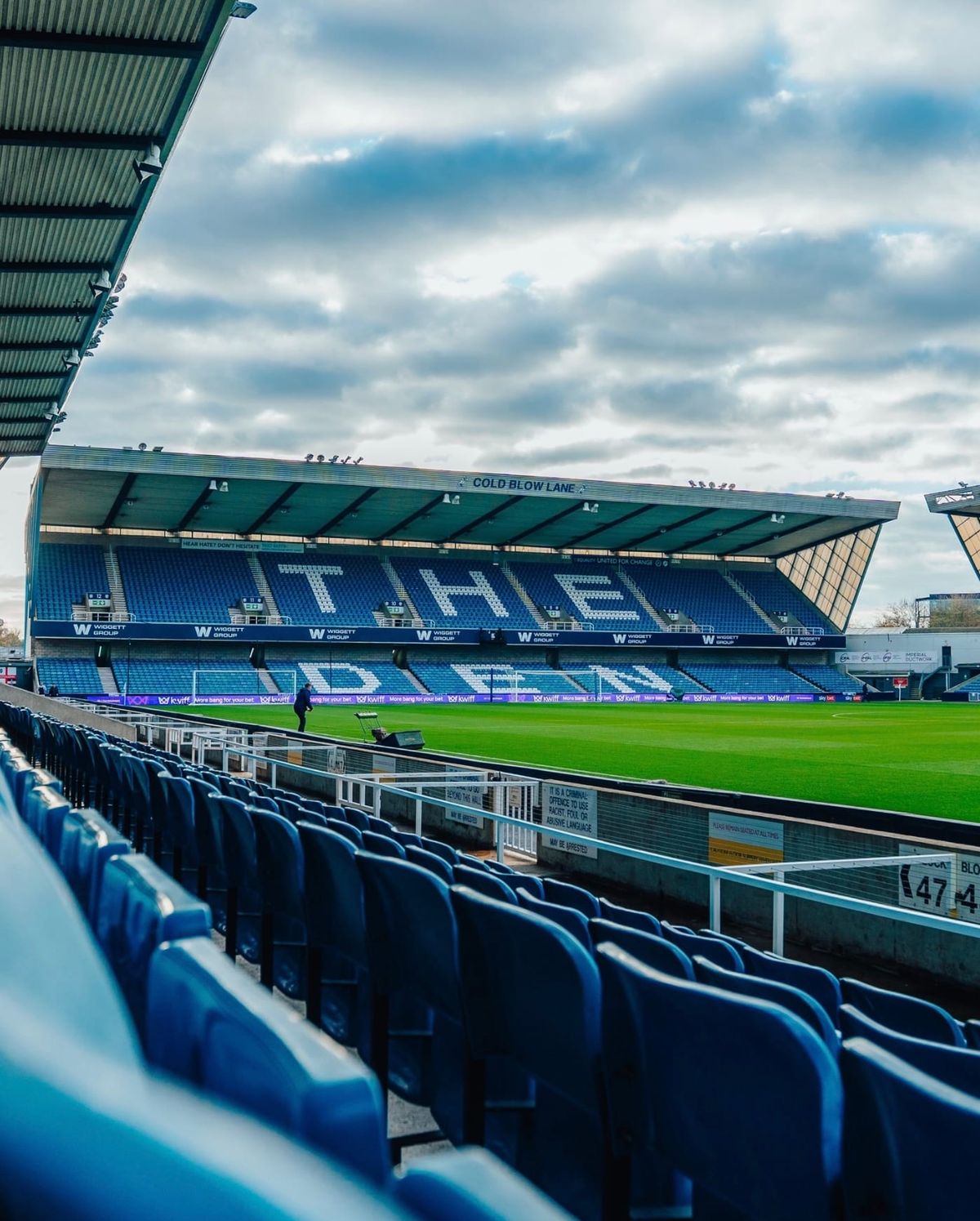
Yet I still go regularly, and the latest run of negative headlines prompted me to write in the club’s defence. Built in the early 1990s, the stadium may not be the prettiest, but it offers a raucous atmosphere and facilities that compare well with most Championship grounds. You’re never bored at The Den.
Millwall’s important role in the local community is often overlooked. Its active community trust uses sport to improve local lives through mentoring, engagement, crime reduction initiatives and programmes supporting education, employability and health. It also strongly champions LGBTQ+ inclusion and published a 78-page “Pride Playbook” in June. The playbook encourages partnerships between established clubs such as Millwall and aspiring teams through offering those teams an identity within the club, coaching support and an internal champion.
With Millwall’s reputation under fire again, its community work deserves recognition—particularly as it goes considerably further than that of many clubs in the Championship and higher divisions.
No one likes us? I certainly do!